The Psychology of Fashion: Why We Wear What We Wear

Fashion has always been more than fabric, buttons, and stitches. At its core, it is a language—one that speaks without words, shaping how we see ourselves and how the world perceives us. The psychology of fashion delves into the reasons behind our style choices, highlighting the complex interplay between identity, mood, culture, and practicality.
Fashion as Identity and Self-Expression
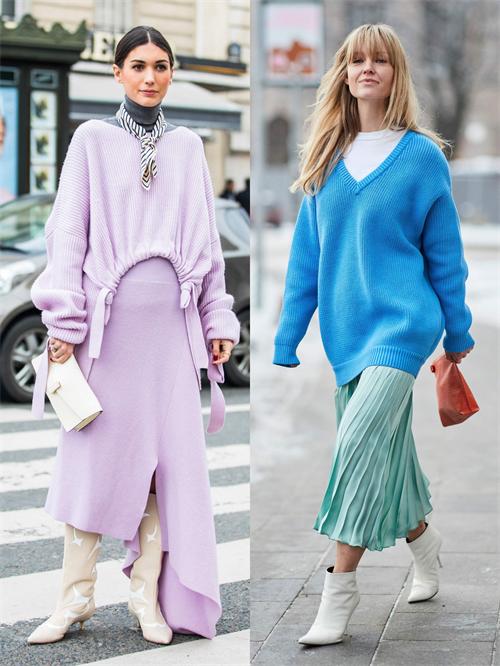
Our clothing choices often act as a canvas for identity. Just as we use words to describe who we are, we use clothes to project aspects of our personality, values, and lifestyle. For some, fashion serves as a uniform that aligns with professional roles—think of the sharp tailoring of a corporate lawyer or the minimalist neutrals of a tech entrepreneur. For others, it is a tool for storytelling: vibrant colors, eclectic layering, or vintage finds that signal individuality and creativity.
Psychologically, this practice aligns with the concept of self-congruence—the idea that individuals seek harmony between their inner identity and outward presentation. When the outfit matches the internal sense of self, it can boost confidence and self-esteem. Conversely, when a person feels forced to wear clothing that clashes with their identity, discomfort and self-consciousness often follow.
Clothing and Emotional Regulation
Beyond identity, fashion influences our emotions in subtle yet powerful ways. The concept of “enclothed cognition” suggests that the clothes we wear can shape not only how others perceive us but also how we perceive ourselves. For instance, slipping into a tailored blazer may foster feelings of authority and competence, while wearing comfortable loungewear might signal relaxation and safety.
Color psychology also plays a role. Research has shown that certain shades evoke specific responses: red may communicate passion and energy, blue inspires calmness and trust, while black often conveys sophistication or authority. These associations guide our outfit choices when we want to set a particular tone for the day—whether it is projecting confidence at a meeting or exuding warmth on a social outing.
Many individuals intuitively use fashion as a tool for mood management. A pop of bright accessories on a gloomy day, or choosing soft textures when in need of comfort, can provide small but meaningful boosts in well-being.
Social Belonging and Group Identity
Fashion also functions as a social glue, signaling membership and belonging within groups. Uniforms are the most obvious example—from doctors in white coats to athletes in jerseys—but subtler codes exist in everyday fashion tribes. Subcultures such as goth, punk, or streetwear communities rely on distinctive clothing styles to signal shared values and aesthetics.
This phenomenon ties back to the psychological principle of social identity theory, where individuals derive a sense of self-esteem and belonging from group memberships. Clothing, in this context, becomes a shorthand for cultural alignment. Even within professional environments, dress codes act as an unspoken language of belonging, guiding how “in” or “out” someone feels in a given space.
Practicality and Cognitive Efficiency
While much of fashion psychology focuses on symbolism and self-expression, pragmatism remains equally important. Many clothing choices stem from functionality and the desire for cognitive efficiency. For instance, a capsule wardrobe—a collection of versatile, timeless pieces—reduces decision fatigue by streamlining outfit choices. Uniform dressing, popular among figures like Steve Jobs and Barack Obama, is rooted in this principle: by eliminating small daily decisions, energy is reserved for more significant tasks.
The practicality of fashion also intersects with environment and lifestyle. Climate dictates fabrics and layering, while occupations demand attire that balances professionalism with comfort. This pragmatic lens reminds us that fashion is not only about identity but also about navigating the practicalities of daily life.
Fashion, Status, and Power Dynamics
Historically, fashion has served as a marker of social status and power. Luxurious fabrics, intricate designs, and brand affiliations communicate wealth and prestige. In modern contexts, wearing a high-status brand logo may evoke associations of success and aspiration, while sustainable or ethical fashion choices may signal social consciousness and responsibility.
Psychologically, these signals influence interpersonal dynamics. People often make split-second judgments based on attire, whether in hiring decisions, negotiations, or social interactions. The ability of fashion to communicate competence, credibility, or even creativity underscores its role as a tool for navigating hierarchical and professional structures.
The Rise of Conscious and Sustainable Choices
In recent years, fashion psychology has increasingly considered the ethical dimension of clothing choices. The growing movement toward sustainability and conscious consumption reflects not only environmental awareness but also psychological motivations such as guilt reduction, values alignment, and social signaling.
Consumers choosing second-hand, rental, or eco-friendly options often derive satisfaction from aligning their purchases with personal ethics. This reflects the broader psychological trend where fashion choices are used not only to express individuality but also to reinforce moral identity.
At its core, the psychology of fashion illustrates that clothing is never neutral. Every piece, whether a plain white T-shirt or an ornate gown, carries meaning—about self, about others, and about society at large. The next time you open your closet, consider not just what to wear, but why you’re choosing it. That awareness can transform fashion from a daily task into an opportunity for empowerment, alignment, and authentic self-expression.