From OOTD to POTD: The Rise of 'What Scent Are You Wearing Today?'
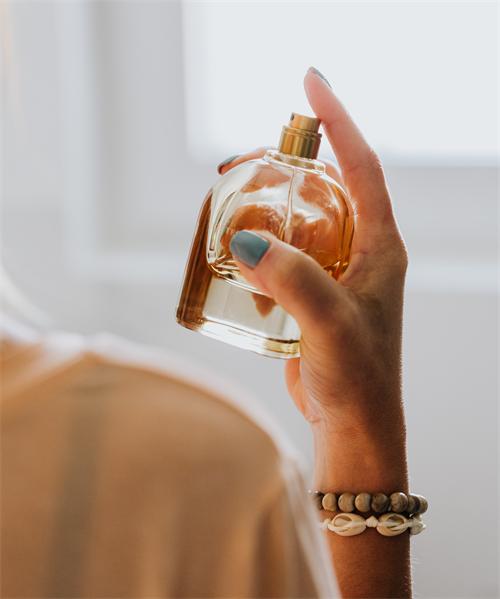
In the evolving world of fashion and personal expression, style is no longer confined to the visual spectrum. Just as “OOTD” (Outfit of the Day) posts once dominated social media, a new trend is emerging that focuses on the invisible yet profoundly impactful dimension of personal style: scent. Enter the era of “POTD” — Perfume of the Day. More than a fleeting fad, this movement highlights how fragrance is becoming an essential element of personal branding, mood expression, and lifestyle storytelling.
The Intersection of Fashion and Fragrance
Traditionally, fashion trends have been dictated by silhouettes, colors, textures, and accessories. However, a growing number of style-conscious individuals now recognize that fragrance carries the power to complement, enhance, or even redefine an outfit. While your wardrobe communicates visually, your chosen scent offers a subtle, multisensory narrative that lingers long after you leave a room. This awareness has given rise to a sophisticated culture where perfume is no longer just an accessory but a statement.
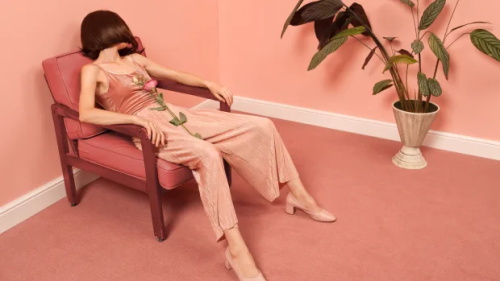
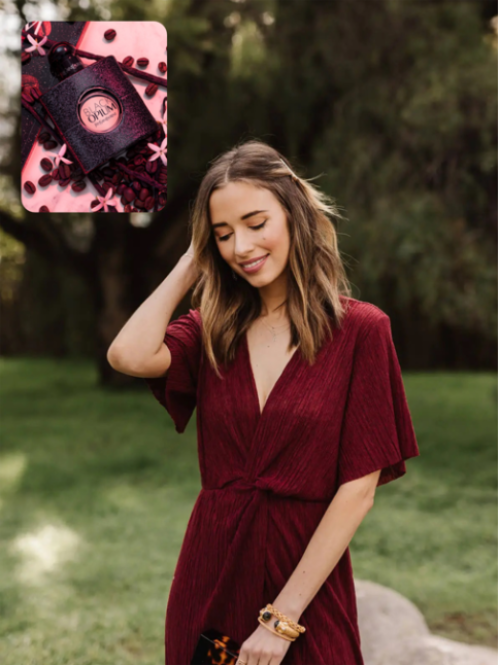
Social media platforms are accelerating this shift. Influencers and content creators are now pairing their OOTDs with POTDs, encouraging followers to explore combinations that express personality, seasonality, or mood. Imagine a crisp linen blazer styled with a citrusy, light perfume in spring, or a velvet evening dress paired with a deep, woody fragrance in winter. This approach transforms scent into a deliberate component of fashion curation, much like shoes or handbags.
Why Scent Matters More Than Ever
Several factors are driving the popularity of POTD. Firstly, consumers are becoming more attuned to holistic self-expression. Millennials and Gen Z audiences, in particular, are embracing experiences and authenticity over mere consumption. Fragrance, being inherently personal and evocative, aligns perfectly with this mindset. It offers a way to convey identity, evoke memories, or even influence one’s own mood.
Secondly, the rise of niche and artisanal perfumeries has made it easier than ever to access scents that feel unique and intentional. Limited-edition perfumes, collaborations with fashion designers, and bespoke fragrance consultations allow individuals to cultivate a signature scent wardrobe. In doing so, the experience of choosing a fragrance becomes as thoughtful as selecting a couture gown or a seasonal coat.
Lastly, the sensory aspect of scent has been recognized as a psychological tool. Aromachology, the study of how scents affect behavior and mood, suggests that certain fragrances can boost confidence, reduce stress, or enhance creativity. By integrating scent into daily fashion routines, consumers are combining aesthetic and emotional functionality—a true manifestation of pragmatic luxury.
Practical Ways to Integrate POTD into Your Routine
Start by pairing your fragrance choices with outfits intentionally. Consider the color palette, fabric textures, and even the occasion. Light florals and citrus scents pair beautifully with casual, daytime attire, while musk, oud, or amber-based perfumes elevate evening wear.
Fragrance layering is another growing practice within this trend. Much like layering clothing to create depth and dimension, layering complementary perfumes can produce a nuanced and long-lasting effect. Fashion enthusiasts are experimenting with layering a soft floral under a spicy base note, offering a multidimensional olfactory experience that mirrors the complexity of their outfit.
Social media also plays a vital role. Sharing your POTD alongside your OOTD not only inspires followers but also encourages community discussion about personal style and sensory storytelling. Hashtags like #POTD, #ScentStyle, and #FragranceOfTheDay are steadily gaining traction, showcasing the trend’s potential to become a staple of lifestyle content.
Fashion Houses Embrace the Trend
Recognizing the market potential, fashion houses and luxury brands are increasingly blending scent with style narratives. Major brands are launching seasonal fragrance collections that coordinate with their fashion lines. This synergy reinforces the idea that fragrance is not ancillary but integral to a complete fashion identity. From runway presentations to store displays, scent is being treated as part of the immersive experience, enhancing storytelling and brand cohesion.
Furthermore, collaborations between perfumers and fashion designers have introduced limited-edition releases that reflect the spirit of a particular collection or theme. These partnerships provide consumers with tangible ways to extend their fashion sensibilities into the olfactory realm, emphasizing the notion that style is an experience encompassing more than just the visual.
The Future of POTD
The emergence of POTD reflects a deeper transformation in fashion, highlighting how personal style is no longer limited to visual elements alone. It’s an acknowledgment that personal style is multi-sensory and that scent is a powerful, often underutilized tool for expression. As consumers become more discerning, the integration of fragrance into daily fashion routines is likely to deepen, with technology, AI-driven scent recommendations, and personalized fragrance subscriptions further enhancing accessibility and personalization.
In a world where identity is curated both online and offline, POTD offers a subtle yet impactful means of storytelling. It allows fashion enthusiasts to layer meaning and mood into their everyday choices, adding an invisible but unforgettable dimension to personal style. From boardroom meetings to casual coffee dates, your scent can speak volumes before you utter a word—making POTD the next frontier in pragmatic, expressive fashion.
In conclusion, the evolution from OOTD to POTD underscores a growing sophistication in how we approach personal style. No longer just about clothes, accessories, or visual flair, fashion now embraces scent as an essential ingredient in self-expression. For trendsetters, content creators, and style-conscious individuals alike, the question is no longer “What are you wearing today?” but “What scent are you wearing today?”