How Social Media is Shaping Beauty Standards (Good & Bad)
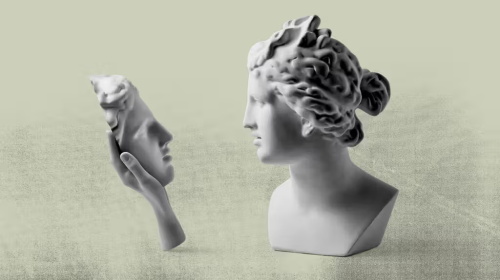
If fashion is a language, beauty is the punctuation—small signals that change how a look is read. Today, those signals are increasingly set (and reset) by social platforms. From 30-second GRWMs to algorithmic trend cycles, social media acts as mood board, mirror, and marketplace all at once. The result: beauty standards that are more accessible and diverse than ever, yet also more homogenized and high-pressure.
The Upside: Democratization, Discovery, and Skill-Building
Access breaks the old gatekeepers. For decades, magazine editors and brand campaigns defined “beautiful.” TikTok, YouTube, and Instagram moved influence to creators and consumers. That shift opened lanes for skin tones, hair textures, body types, and ages long ignored in legacy media. A teen with cystic acne can find creators who normalize texture. A woman with vitiligo can find foundation matches and community. Representation is still uneven, but the baseline is wider.
Technique is teachable—at scale. Social platforms are masterclasses in micro-doses. You can learn to solve specific problems—hooded-lid eyeliner, curl clumping, undertone matching—in minutes. This skills-first approach reframes beauty from “born with it” to “can learn it,” which is psychologically healthy and practically useful.
Community reduces stigma. Movements like embracing acne, celebrating natural gray hair, or openly sharing postpartum hair changes are gaining traction online because people see their own experiences reflected back at them. When others respond with understanding and solidarity, it helps shift the focus from embarrassment to acceptance, making those personal challenges feel far less isolating.
Niche thrives. Algorithmic discovery rewards specificity: goth glam skincare, halal nail polish, fragrance layering for hot climates, low-waste routines. Niche standards don’t replace the mainstream, but they offer alternatives for identity expression beyond one narrow ideal.
The Downside: Algorithmic Sameness, Dysmorphia, and Consumer Overdrive
Homogenization through “performative natural.” Ironically, democratization can produce uniformity. The “clean girl,” “no-makeup makeup,” or “soft glam” aesthetics push subtle, expensive-looking sameness: laminated brows, overlined lips, neutral palettes. It reads effortless but often requires time, tools, and treatment.
Filter fatigue and self-comparison. Digital effects such as augmented-reality filters, skin blurring, and face-editing tools can subtly alter how you perceive your own appearance. When your selfie is micro-adjusted daily, your unedited face can feel “wrong.” That gap fuels appearance-based anxiety and compulsive checking (mirrors, front camera, comments).
Rapid trend churn = shopping churn. Skin cycling, slugging, skin flooding; latte makeup, cold girl blush; every week a new “must.” The psychological hook is FOMO disguised as optimization. Over-layering irritates skin; overbuying strains budgets and landfills.
Health-washed extremism. Wellness beauty can slide into moralizing: “clean” lists that shame, multi-hour routines framed as “self-care,” nutrition advice from non-experts. The result can be orthorexia-adjacent behavior and product paranoia.
Creator–commerce blur. Aff links, paid partnerships, gifted trips—many creators disclose, but not all. The line between recommendation and advertising isn’t always clear, making standards feel both aspirational and transactional.
What This Means for Identity and Self-Esteem
Locus of control matters. When beauty becomes an endless optimization project, you feel perpetually “in progress.” Self-esteem improves when you anchor to controllable, health-promoting habits (sleep, SPF, gentle cleansing) and style choices that reflect values (sustainability, culture, subculture) rather than social approval metrics.
Cognitive load is real. Constantly trying to keep up with lengthy routines and fast-changing beauty fads can be mentally draining. Simplifying your regimen not only eases that pressure but also helps you regain control—and often leaves your skin healthier in the process.
Belonging beats perfection. Communities with shared goals—curly-hair care, perimenopausal skincare, budget dupes—support consistency over comparison. Consistency, not perfection, yields the outcomes people are actually after.
A Pragmatic Playbook (for Individuals)
1. Audit your feed like a wardrobe. Mute or unfollow accounts that trigger comparison; follow creators who share your skin concerns, features, budget, and cultural context. Aim for a 70/30 mix: 70% relatable, 30% aspirational.
2. Use the “three-check rule” before buying.
- Does this solve a defined problem for me?
- Do I already own something 80% similar?
- Can I commit to four weeks of consistent use?
3. Set routine caps. Morning: 3–4 steps. Night: 4–5. Add actives strategically (one new product every 3–4 weeks). Simplicity reduces irritation and cognitive load.
4. Design anchor looks. Create two default makeup looks and one hair strategy you can execute in 10 minutes. When trends cycle, layer them onto these anchors—never rebuild from scratch.
5. Reality checks for filters. If a filter changes bone structure (jaw, eyes, nose), skip it. Use only color/light filters that mimic real photography adjustments. Take unfiltered photos weekly to recalibrate your eye.
6. Budget with purpose. Decide what you’ll “invest” in (e.g., sunscreen, retinoid, haircut) and where you’ll “experiment” (lip color, nail art). This avoids scattered splurges.
A Pragmatic Playbook (for Brands & Creators)
1. Disclose clearly, educate honestly. Mark partnerships; separate content into “entertain,” “educate,” and “sell.” Teach usage, not just hype—skin types, contraindications, expected timelines.
2. Show texture and variance. Film in natural light without smoothing. Showcase diverse faces—including pores, lines, and acne—to set realistic standards and reduce returns.
3. Slow the cycle responsibly. Build series content (progress over 4–8 weeks) instead of one-off trends. Encourage finishes and techniques over product hoarding.
4. Design for inclusion and value. Shade ranges, mini sizes, refill systems, fragrance-free options, and transparent INCI lists earn trust in a skeptical feed.
5. Moderate with empathy. Cultivate comment sections that discourage appearance-shaming and medical misinformation.
The Bottom Line
Social media has widened the canvas of who gets seen and how, while also tightening the frame on what gets praised and purchased. The healthiest standard is plural: many looks, many routines, many budgets—all valid. Treat platforms as tools, not rulers. Use them to learn techniques, discover community, and express identity. Then log off, look in a real mirror, and ask a better question than “Do I look like the feed?” Ask: “Do I look like myself—and does this routine serve my life?”