How to Protect Your Hair Color from Fading: Pro Tips

Color-treated hair is an investment—both in time and money. Whether you’ve gone for a bold copper, a rich brunette, or a cool platinum blonde, keeping your shade vibrant requires more than just a good dye job. Without the right care, exposure to sunlight, frequent washing, heat styling, and even hard water can strip pigments, leaving hair dull and lifeless far too soon.
1. Start with a Strong Foundation
Color longevity begins even before you leave the salon chair. Pre-color conditioning treatments ensure that your strands are strong enough to hold onto pigment. Dry, porous hair tends to release color quickly, so stylists often recommend bond-building or protein treatments in advance.
If you color at home, consider prepping your hair a week before with a deep moisturizing mask or a strengthening treatment. Think of it as priming a canvas before painting—the smoother the surface, the longer your color will hold.
2. Wash Less, But Smarter
Water is one of the biggest culprits in color fade. Every wash lifts pigment molecules, especially during the first two weeks after coloring. The simplest protection strategy is reducing how often you shampoo.
- Aim for 2–3 washes per week instead of daily.
- Between washes, a light mist of dry shampoo can help lift excess oil at the roots and restore a clean, refreshed look without disturbing your color.
- When you do wash, use lukewarm water—hot water swells the cuticle, causing faster pigment loss.
Invest in a sulfate-free shampoo designed specifically for color-treated hair. Harsh detergents strip away color, while gentler formulas cleanse without over-drying. Look for products with added UV filters or antioxidants for extra defense.
3. Condition Like It’s Non-Negotiable
Conditioner isn’t just about detangling—it’s your first line of defense against fading. A good conditioner smooths the cuticle, locking pigment inside while adding shine.
Professional tip: alternate between a lightweight daily conditioner and a weekly deep treatment mask. Ingredients like ceramides, amino acids, and natural oils help reinforce the cuticle barrier.
For blondes and pastel tones, consider a color-depositing conditioner or purple-toned formula to neutralize brassiness and maintain vibrancy between salon visits.
4. Protect Against Heat Styling
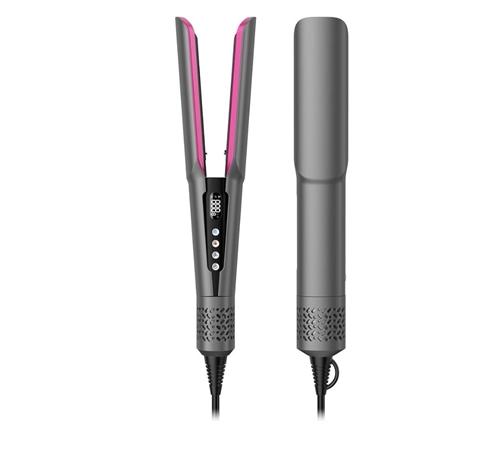
Flat irons, curling wands, and blow dryers are color’s worst enemies when used excessively. High heat accelerates pigment breakdown and can leave hair brittle.
- Always apply a heat protectant spray or cream before styling.
- Keep styling tools at a moderate temperature (below 180°C/350°F).
- Embrace air-drying when possible, or use a diffuser on low heat for curls and waves.
If you must style daily, look for ceramic or tourmaline tools that distribute heat evenly, reducing the risk of hot spots that damage colored hair.
5. Guard Against UV and Environmental Stress
Just like skin, hair suffers from sun exposure. Ultraviolet rays break down pigment, causing fading and dullness. Chlorine and saltwater also strip color, leaving hair dry and lifeless.
Pragmatic strategies include:
- Wearing a wide-brimmed hat or scarf when outdoors for extended periods.
- Using leave-in sprays with built-in UV filters.
- Before swimming, saturate hair with clean water and apply a protective leave-in conditioner to create a barrier. Afterward, rinse thoroughly to remove chlorine or salt.
These small adjustments can drastically extend the vibrancy of your hair color through the summer months.
6. Mind the Water Quality
Mineral-rich water—often called hard water—can be tough on color-treated hair. The buildup from elements like calcium and magnesium gradually coats the strands, leaving them looking flat, rough in texture, and prone to unwanted warm or ashy tones.
Installing a shower filter is a practical solution. It softens the water, making shampoos and conditioners more effective. Chelating shampoos used once a month can also help remove buildup without stripping your color completely.
7. Space Out Color Appointments Wisely
Touch-ups are inevitable, but stretching the time between salon visits helps preserve hair health. Instead of re-dyeing your entire head, ask your stylist for root touch-ups or gloss treatments that refresh tone without adding unnecessary damage.
Glosses or color glazes can be applied between dye sessions to restore shine and revive depth. They’re less invasive than full dye jobs and act as a protective seal over the cuticle.
8. Adjust Your Everyday Habits
- Instead of traditional bath towels, try drying your hair with a microfiber towel or a soft cotton T-shirt. These gentler fabrics reduce friction, helping prevent the cuticle from lifting and preserving your color for longer.
- Avoid over-brushing—gentle detangling with a wide-tooth comb reduces breakage.
- Sleep on a silk or satin pillowcase to minimize friction and help your style (and color) last longer.
9. Prioritize Hair Health from Within
Hair that is well-nourished and properly hydrated retains color more effectively. When strands lack essential nutrients or moisture, they become brittle and porous, causing dye to fade faster. Incorporate a diet rich in omega-3 fatty acids, biotin, and antioxidants to support stronger strands. Staying hydrated also ensures elasticity and shine.
For those with specific concerns, supplements tailored for hair health can complement external care routines.
Protecting your hair color doesn’t mean living in fear of fading—it’s about building mindful, sustainable habits. From washing less and conditioning more to shielding against UV rays and environmental stressors, each step adds up to longer-lasting vibrancy.