Spotlight on AAPI-Owned Beauty Brands You Need to Know
The beauty industry has always thrived on innovation, cultural exchange, and diverse perspectives. In recent years, a growing number of Asian American and Pacific Islander (AAPI)-owned beauty brands have stepped into the spotlight, reshaping the way consumers view skincare, makeup, and wellness. From heritage-inspired rituals to modern formulations backed by science, these brands represent more than products on a shelf—they’re a testament to creativity, resilience, and authenticity.
Why AAPI Representation Matters in Beauty
For decades, the mainstream beauty industry often overlooked AAPI stories, traditions, and skin concerns. Yet many of today’s sought-after trends—from sheet masks to jade rollers—trace their origins to Asian beauty rituals. By supporting AAPI-owned businesses, consumers not only access products rooted in cultural expertise but also contribute to diversifying an industry that has historically favored narrow definitions of beauty.
AAPI founders bring nuanced perspectives on skincare, haircare, and wellness, often combining generational traditions with modern research. These brands highlight the value of representation—both in terms of who gets to build businesses and which beauty ideals are celebrated.
Brands You Should Have on Your Radar
1. Glow Recipe
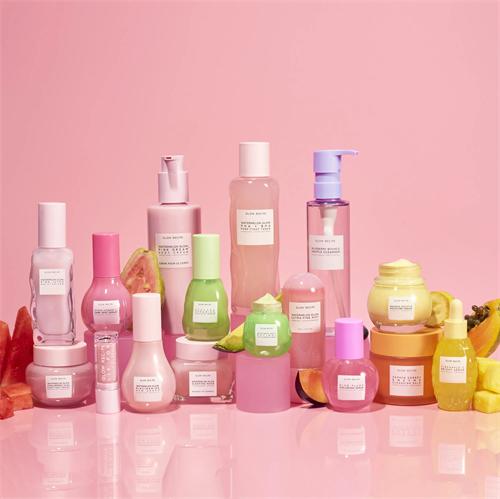
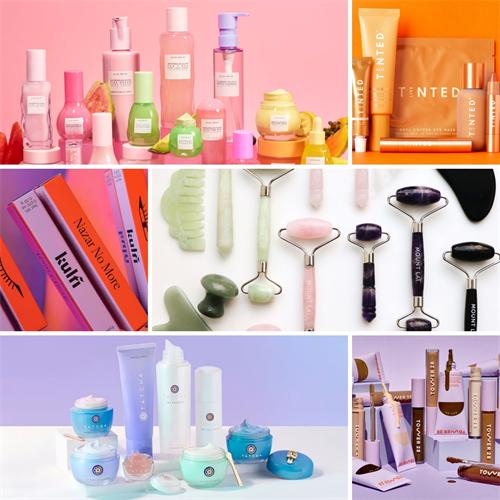
Founded by Sarah Lee and Christine Chang, Glow Recipe has become a household name by blending Korean beauty philosophies with approachable, fun packaging. Their Watermelon Glow Sleeping Mask became an instant cult favorite, reflecting the brand’s ethos of using fruit-powered ingredients to deliver hydration and radiance. What makes Glow Recipe special is its ability to distill advanced Korean skincare routines into simplified steps that appeal to a global audience, while staying true to its roots.
2. Tower 28 Beauty
Created by Amy Liu, Tower 28 Beauty was designed for sensitive skin—something Liu personally struggled with. This clean beauty brand emphasizes dermatologist-approved, non-toxic formulas that don’t compromise on color payoff or performance. Its ShineOn Lip Jelly has become a best-seller, celebrated for hydrating shine without stickiness. Tower 28 also champions accessibility, offering effective products at a mid-range price point and maintaining a commitment to inclusivity across skin tones and types.
3. Tatcha
Founded by Vicky Tsai, Tatcha has grown into one of the most respected prestige skincare brands in the world. Drawing inspiration from Japanese beauty rituals and geisha traditions, the line focuses on harmony, simplicity, and mindfulness in skincare. Hero products like the Dewy Skin Cream and The Rice Polish highlight natural botanicals combined with cutting-edge science. Beyond products, Tatcha is also committed to philanthropy, funding education initiatives for young women globally.
4. Live Tinted
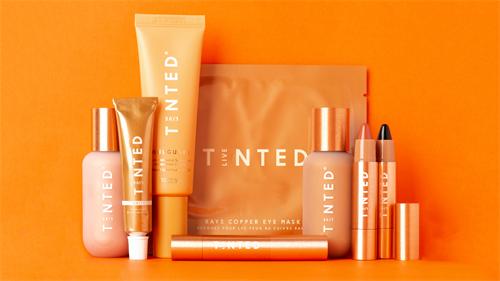
Deepica Mutyala launched Live Tinted after a viral video demonstrated how red lipstick could neutralize dark under-eye circles—a hack rooted in her personal experiences with South Asian skin tones. Today, the brand has expanded into inclusive makeup and skincare hybrids, including its widely loved Huestick color corrector. Live Tinted celebrates representation and challenges colorism by creating products that address the needs of deeper skin tones often overlooked in mainstream lines.
5. Kulfi Beauty
Founded by Priyanka Ganjoo, Kulfi Beauty was born out of the desire to celebrate South Asian beauty and self-expression. Known for its Underlined Kajal Eyeliner, Kulfi Beauty reimagines a traditional South Asian beauty staple with long-wear formulas and vibrant colors. The brand positions makeup as a joyful tool for self-discovery, challenging stereotypes that often box AAPI consumers into narrow cultural expectations.
6. Mount Lai
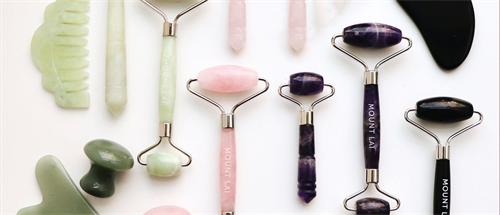
Stephanie Zheng founded Mount Lai to honor her grandmother’s skincare rituals. Specializing in tools like jade rollers and gua sha stones, the brand merges ancient Chinese wellness practices with modern skincare routines. Unlike generic knock-offs, Mount Lai emphasizes education, quality materials, and thoughtful design, ensuring customers understand the cultural origins of their tools.
The Broader Impact of AAPI-Owned Brands
The success of these brands reflects more than a trend—it signals a shift in consumer priorities. Today’s beauty enthusiasts want products that align with their values: inclusivity, sustainability, authenticity, and heritage. AAPI entrepreneurs are meeting these needs by bridging the gap between tradition and modernity, often using their platforms to start conversations about identity, representation, and cultural pride.
Moreover, these companies often reinvest in their communities. Whether it’s Tatcha funding education, Live Tinted addressing colorism, or Tower 28 creating mentorship programs for underrepresented founders, the ripple effect of supporting these brands extends far beyond the beauty aisle.
Conclusion
The spotlight on AAPI-owned beauty brands is long overdue. These founders are not only redefining beauty standards but also weaving cultural legacies into products that resonate globally. By embracing their work, consumers gain access to thoughtful formulations, heritage-inspired rituals, and authentic storytelling. More importantly, they participate in shaping a beauty industry that celebrates diversity in every shade, texture, and tradition.
As the conversation around inclusivity continues to evolve, one thing is clear: AAPI-owned beauty brands are here to stay—and they’re changing the industry for the better.